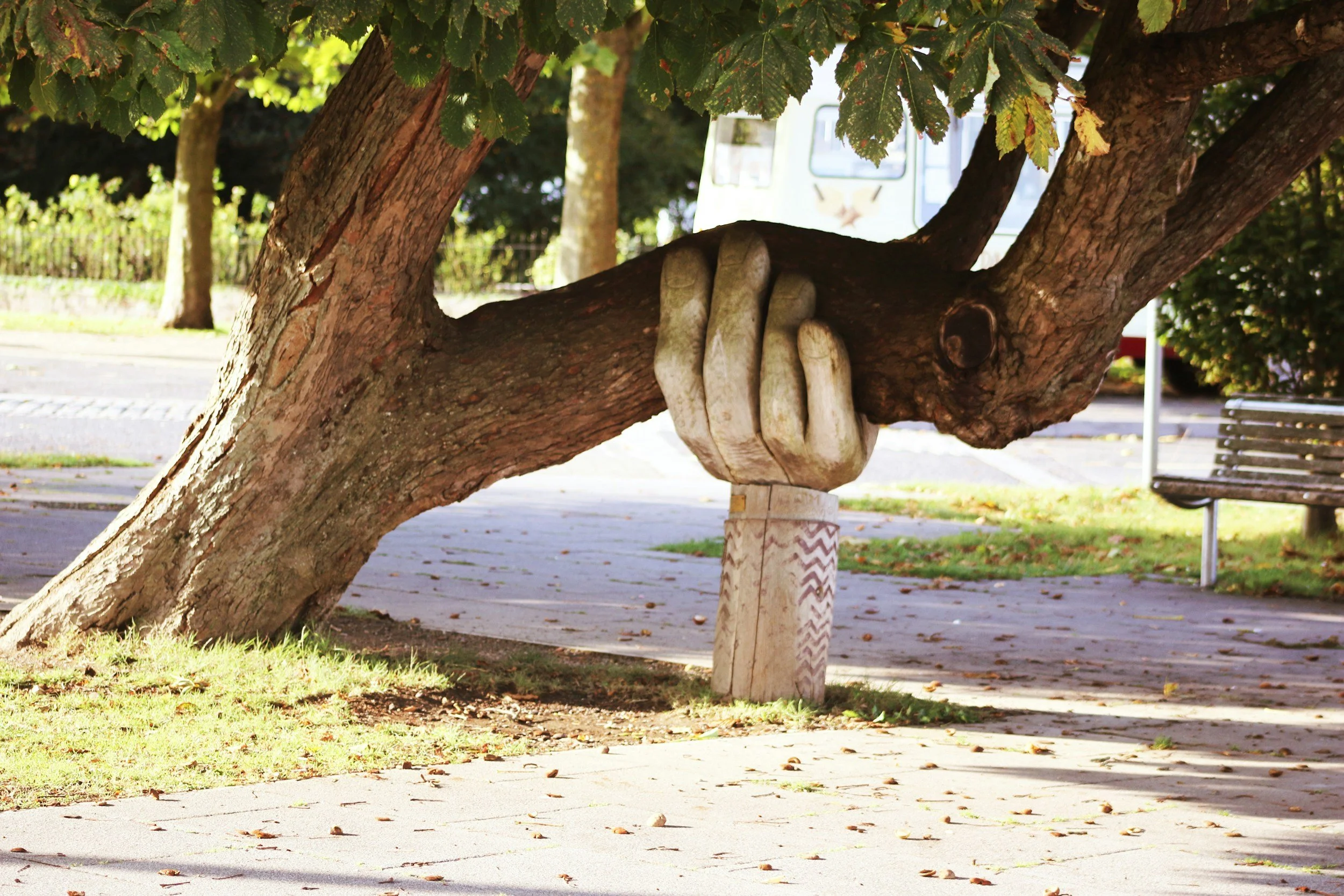
I just listened to a short interview with ADHD coach Jeff Copper which had the title “The 2-Word ADHD Accommodation Nobody Talks About.” The two words are Get Help!
I like that. So often, there seems to be a sense amongst the men who I work with that they should be able to “fix” their ADHD and solve all the problems it presents in their lives, in their work, and in their relationships, by themselves. And yet, as Jeff Copper points out, this flies in the face of some of the basic facts about what ADHD is.
Copper refers to the seminal work of Russell Barkley in properly understanding ADHD. According to Barkley, ADHD is a fundamental impairment in a person’s executive functions, all of which are things we rely on in order to work towards our goals, or to solve the problems and challenges that we face. If you have ADHD, you cannot rely as much on your executive functions, your internal resources in areas such as motivation, time awareness, planning and execution, as you might like. So, you will probably need to supplement them with more external resources to get some things done. These external resources might include medication, and calendars and timers and apps and all that good stuff. Importantly, they should also include other people: partners, friends, coaches, therapists.
I often hear some pushback against this, the lingering thought that “I should be able to do this by myself, other people can.” There’s at least two denials of reality in that belief. For one, it ignores the fact that actually I can’t do it, or at least that I haven’t done it yet, or that I have loads of trouble doing it consistently. And second, there’s an assumption in there that other people do in fact get everything done, all by themselves, without any help. The reality is that we are all constantly drawing on external help with things, and often it comes in the form of talking with a friend or colleague about it, problem solving together. Of course, getting things done is easier for some than others (if it wasn’t, ADHD wouldn’t be a thing). But, it seems that some of the people I talk with end up making it even harder for themselves than it need be, by not using the resources that are available to help.
Reaching out for help from a professional such as myself is a really important first step for many people. This is especially so as often by the time people take this step, ADHD has already caused a good deal of trouble in important relationships. One of the many useful things we can do in therapy is to figure out ways to repair some of those relationship problems so that our partners can become once again sources of support and care rather than criticism or frustration. This takes work and may require looking squarely at our own responsibility, so that we can both help ourselves and recruit the willing support of others.
Asking for help is not an admission of failure or a passing off of responsibility for one’s behaviour. Quite the opposite, it is a vital part of taking responsibility for who you are and how you interact with others.
So, if you have ADHD, get help!